Backbone vs Notion

A real client system, not another template.

We’re big fans of Notion’s open canvas and its bot-free AI Meeting Notes on Business. Backbone gives service teams a finished workspace from day one, connecting private calls straight to clients, schedules, contracts and Xero.

Backbone

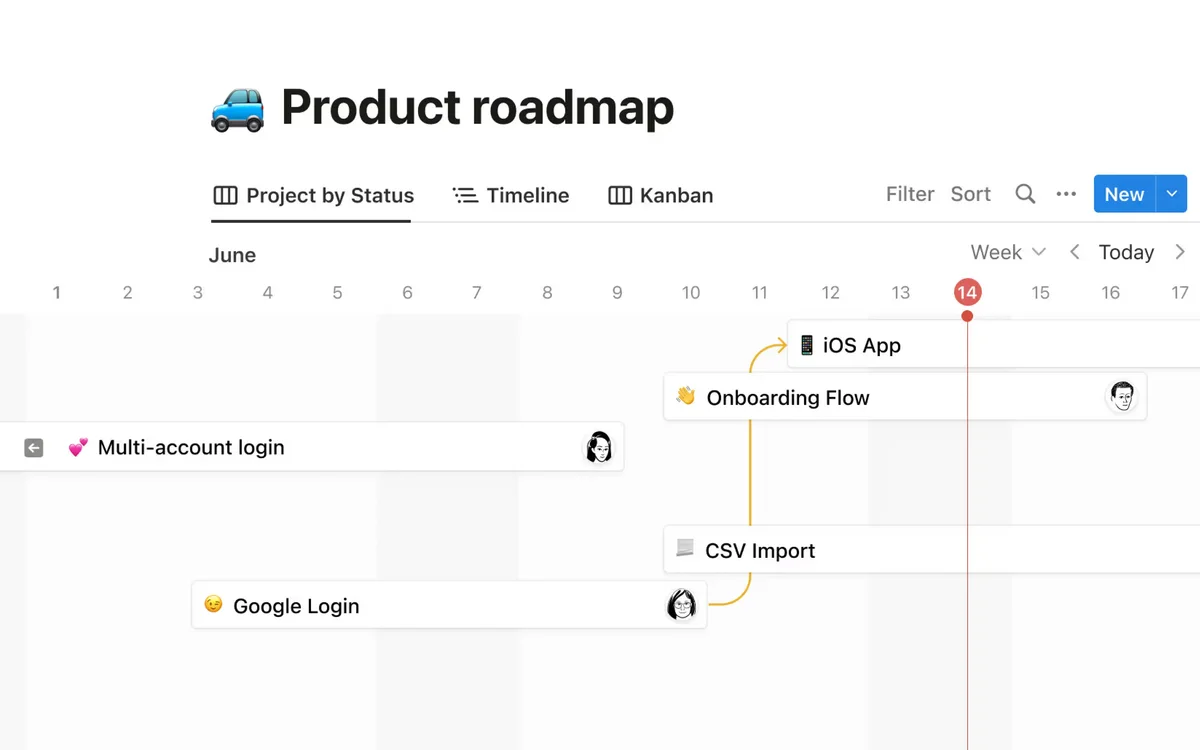
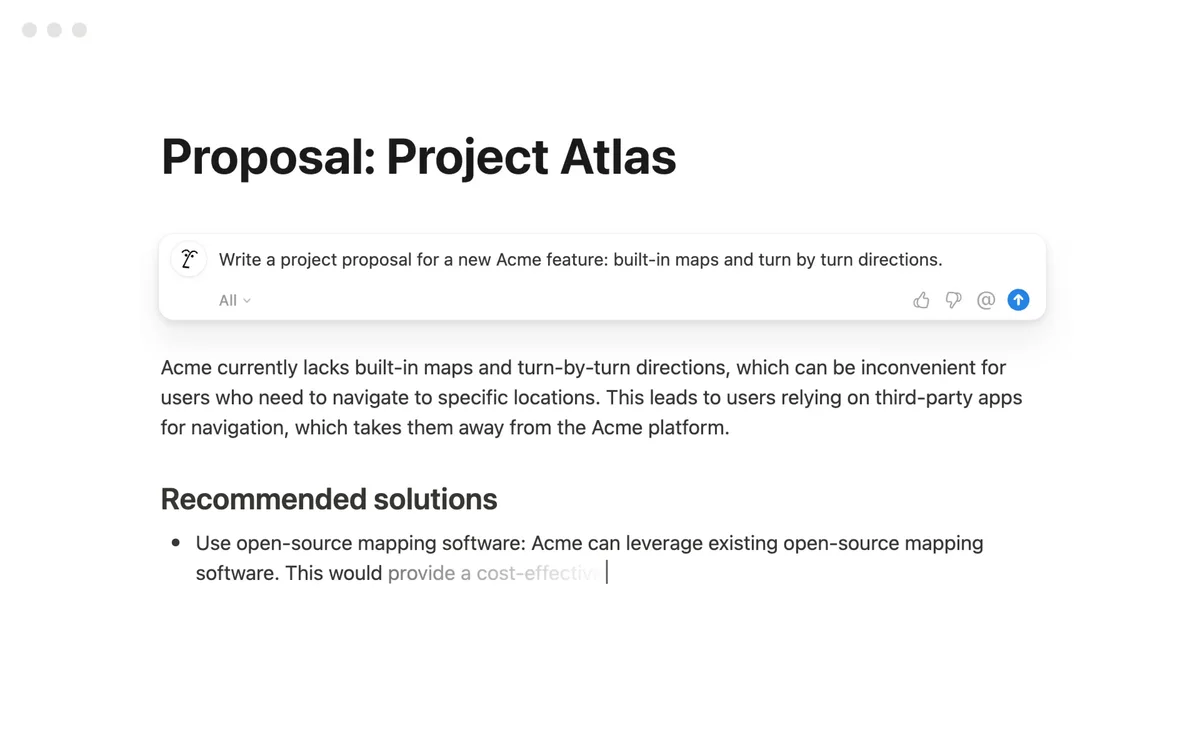
Notion product interface

Notion

Credit where it's due

Where Notion shines

Notion is unmatched as a flexible company brain where docs, wikis, databases and AI Meeting Notes live side by side.

  • Endless doc and database flexibility. Build custom wikis, playbooks and linked databases shaped around any internal process.
  • Bot-free AI Meeting Notes. Business plans include bot-free meeting transcription alongside Notion Agent across your workspace.
  • Accessible team pricing. Start free, upgrade to Plus at US$10 or Business at US$20 monthly.
Notion feature view

Where Backbone goes further

No setup required. Ready on day one.

Stop maintaining fragile Notion templates for client delivery, team capacity and studio billing.

Calls wired into client work

Bot-free call notes link automatically to client records, active projects and follow-up tasks.

Native weekly team scheduling

Plan studio capacity visually without wrestling rollups, formulas or brittle timeline database views.

Proposals, contracts and Xero

Draft proposals, collect binding e-signatures and sync invoices directly to Xero without extra plugins.

Built for client privacy

End-to-end encryption covers meetings, clients, projects, tasks and schedule, with per-organisation encryption for Xero, proposals and contracts.

Side by side

The details.

Backbone and Notion compared
FeatureBackboneNotion
Meeting capture
Bot-free call notesBot-free capture on Mac, iPhone and webBot-free AI Meeting Notes on Business
Workspace AIPrivate assistant grounded in client workNotion Agent across docs and databases
Meeting privacyEnd-to-end encrypted transcripts and notesCloud-stored with standard encryption
Structure and delivery
Workspace setupOpinionated client workflow ready immediatelyBlank canvas built from custom databases
Docs and wikisFocused notes tied to client recordsBest-in-class company wiki and knowledge base
Team schedulingNative visual weekly capacity plannerNo native capacity or resource scheduling
Sales and money
Proposals and e-signBuilt-in proposals with native e-signaturesManual pages only, no native e-sign
Xero accounting syncNative Xero sync includedNo native Xero integration
Pricing tiersAll-in-one studio workspace subscriptionFree, Plus US$10, Business US$20 annual
Privacy and maintenance
Encryption modelEnd-to-end core workspace, per-organisation Xero, proposals and contractsStandard encryption in transit and at rest
Template upkeepZero database maintenance as teams growNeeds an internal owner to maintain
Best fitRunning client work from call to invoiceCompany wikis, docs and flexible knowledge

An honest answer

Which should you choose?

Choose Notion if

  • You want a flexible company wiki, handbook and custom database playground.
  • You love building bespoke workflows and already use separate billing tools.
  • Notion Business gives you docs, Notion Agent and bot-free notes together.

Choose Backbone if

  • You want a finished studio workspace instead of maintaining custom templates.
  • You need real team scheduling, proposals, e-signatures and Xero sync built in.
  • You want client call notes wired directly into projects and delivery.
  • End-to-end encryption for client calls, tasks and schedules is a priority.
Get on the Waitlist

More comparisons

Backbone vs ClickUp

Customisable task views and credits versus Backbone’s calm studio flow.

Compare with ClickUp

Backbone vs Attio

Custom-object CRM intelligence compared with Backbone’s end-to-end client workspace.

Compare with Attio

Backbone vs monday.com

Colourful custom boards compared with Backbone’s ready-made studio system.

Compare with monday.com

Questions

How Backbone works.

Contact us
What is Backbone?

One encrypted record of your business, built from your meetings, email, calendar, invoices and project work. Your team works from it, and so do the AI tools you choose.

Can Backbone read my data?

No. Your record is encrypted on your devices before it reaches us, and your team holds the keys. What we store is unreadable to us.

What does the AI see?

Only what a request needs. Each question sends the content for that one answer to the AI model, and the answer is encrypted again before it is saved.

Which AI tools can use my record?

Claude, Codex, Cursor, VS Code and Windsurf connect through MCP, the open standard. You give each tool its own key and choose what it can read, change or send.

Does a bot join my meetings?

No. Backbone records from your Mac, your iPhone or your browser, so nothing extra joins the call.

What does it connect to?

Gmail, Google Calendar, Outlook Mail, Outlook Calendar, Microsoft Teams, Xero, Slack, GitHub, Linear and Sentry.

How does pricing work?

You pay for the organisation, not for each person. Everyone shares one pool of usage, and every plan starts with 14 days free.

Can I use my own AI?

Yes. Bring your own AI is one flat price for Backbone. You add your own provider and API keys, and the provider bills you directly.

Where is my data stored?

On servers in Australia.

Can I take my data with me?

Yes. You can export your whole record whenever you choose.

Moving active client work from Notion?

Read the switching guide

Give your business a Backbone.

Start with your next meeting. Each meeting adds to your record.

Early access

Get on the Waitlist

Backbone is opening up to service teams soon. Leave your work email and we will reach out when your spot is ready.